Understanding Smart Lock Technology
As technology continues to advance, home security has evolved significantly. One of the most innovative developments in this field is the smart lock, or قفل هوشمند, which integrates digital technology to provide secure, convenient access to your home. With features like smartphone integration, remote control, and added security measures, smart locks are becoming a popular choice among homeowners. These devices not only enhance traditional locking mechanisms but also provide a myriad of benefits that cater to modern lifestyles.
What is a قفل هوشمند?
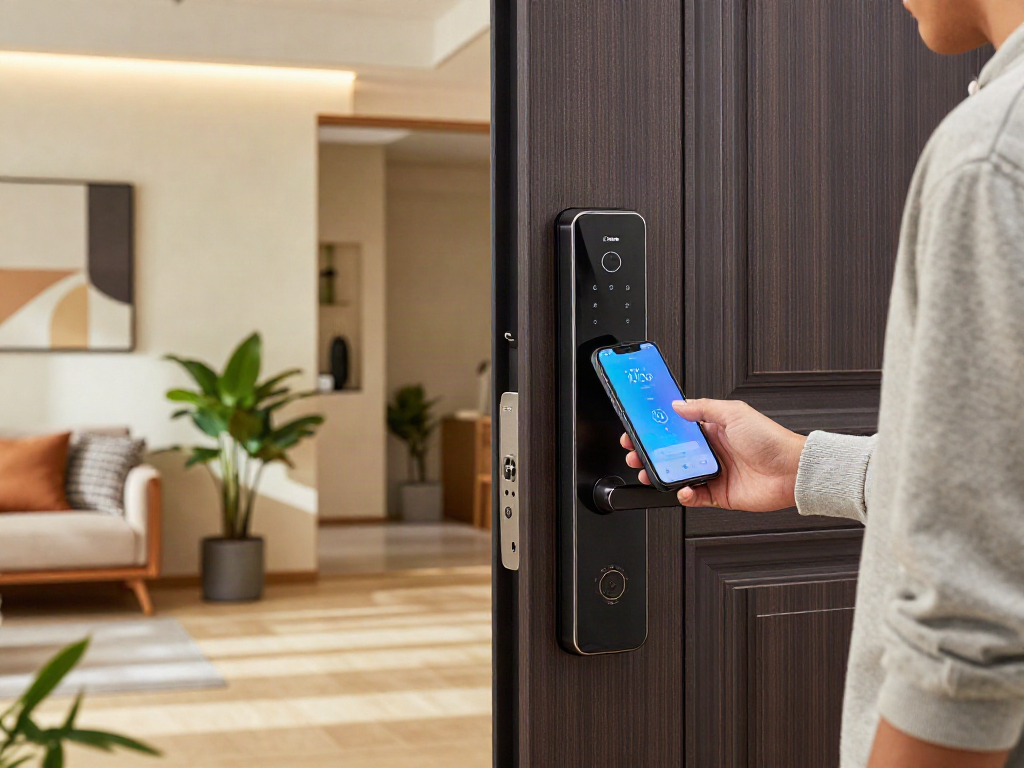
A قفل هوشمند, or smart lock, is a device that utilizes electronic components and connectivity features to allow users to lock and unlock doors electronically. Unlike conventional locks that require a physical key, smart locks can be operated via smartphones, key fobs, or even biometric data like fingerprints. Some models include Wi-Fi or Bluetooth connectivity, enabling remote access and monitoring through mobile applications.
How Smart Locks Work:
At the core of a smart lock is its ability to communicate with other devices and enable seamless access control. Most smart locks work through a combination of Bluetooth technology and a dedicated app installed on the user's smartphone. When you approach your door, the lock recognizes your device's Bluetooth signal, allowing it to unlock automatically. Additionally, these locks can integrate with home automation systems for enhanced functionality.
- Remote Access: Users can lock or unlock their doors from anywhere in the world using their smartphones.
- Access Control: You can grant or revoke access to guests without needing to provide a physical key.
- Alerts and Notifications: Receive real-time alerts on your smartphone whenever the lock is accessed.
The Benefits of Using Smart Locks
Smart locks offer a multitude of benefits that enhance the security and convenience of residential properties. When exploring options, قفل هوشمند provides comprehensive insights into these advantages, which include:
- Convenience: Say goodbye to fumbling for keys; with smart locks, you can unlock your door with a simple tap on your smartphone.
- Enhanced Security: Many smart locks are equipped with features such as tamper alerts and auto-lock capabilities that traditional locks lack.
- Customizable Access: Easily manage who has access to your home, including temporary codes for visitors or service personnel.
- Integration with Home Automation: Smart locks can be linked with other smart home devices, such as security cameras and alarm systems, for cohesive security management.
Common Security Concerns with Smart Locks
Potential Vulnerabilities of قفل هوشمند
While smart locks offer numerous benefits, they also introduce unique security concerns that homeowners should consider. These vulnerabilities stem from the reliance on connectivity and technology:
- Hacking Risks: If a smart lock is connected to the internet, it may be susceptible to hacking attempts. Cybersecurity is a significant aspect of smart lock functionality.
- Software Vulnerabilities: Just like any device, smart locks can experience software glitches or bugs that could leave them exposed.
- Power Failures: Smart locks typically require a power source for operation; if the battery dies, access to the home could be compromised.
Real-World Security Breaches
Instances of smart lock breaches have raised concerns among consumers. Reports indicate that some hackers are able to exploit weaknesses in the firmware or employ brute force methods to gain unauthorized access. These incidents underscore the importance of choosing high-quality and well-reviewed smart locks, as well as maintaining regular software updates.
Addressing Common Misconceptions
Many misconceptions surround smart locks, leading to unnecessary fears about their use. Common myths include the belief that smart locks are inherently less secure than traditional locks. In reality, while smart locks present new challenges, they also offer enhanced security features, such as two-factor authentication and encryption protocols that protect user data and access.
Best Practices for Securing Your Smart Lock
Choosing the Right قفل هوشمند for Your Needs
Selecting the right smart lock requires careful consideration of your security needs and lifestyle. Factors to consider include:
- Compatibility: Ensure that the smart lock is compatible with your home’s existing door hardware.
- Security Features: Look for advanced features such as encryption, biometric access, and tamper alerts.
- User Reviews: Research user feedback and expert reviews to determine reliability and performance.
Installation Tips for Optimal Security
Proper installation is crucial for maximizing the security of your smart lock. Whether you choose to install it yourself or hire a professional, follow these tips:
- Follow Manufacturer Instructions: Adhere to the guidelines provided in the user manual for correct installation.
- Secure Connections: Make sure all connections are secured and that the lock is properly calibrated for functionality.
- Test Functionality: After installation, thoroughly test the lock to ensure it operates as intended under various scenarios.
Maintaining Your Smart Lock: A Step-by-Step Guide
Regular maintenance is key to keeping your smart lock secure and functioning smoothly. Here’s a quick guide:
- Check Battery Levels: Regularly monitor battery life and replace batteries as needed to avoid lock failure.
- Update Firmware: Keep the lock’s firmware up to date to protect against potential vulnerabilities.
- Clean the Lock: Periodically clean the external components to ensure smooth operation and to extend the device’s lifespan.
Future Trends in Smart Lock Technology
Innovations Expected by 2026
The smart lock industry is on the verge of exciting advancements. By 2026, we can anticipate innovations such as:
- AI Integration: Smart locks may incorporate artificial intelligence to enhance security and user convenience through predictive capabilities.
- Improved Biometrics: Expect more advanced biometric recognition technology, providing users with seamless and secure access.
- Renewable Energy Sources: Future smart locks may harness solar energy or other renewable sources for self-sustaining power.
Integration with Other Smart Home Devices
As the smart home ecosystem grows, smart locks will increasingly integrate with other devices, including:
- Smart Cameras: Live video feeds can be linked to smart locks to bolster security measures.
- Smart Lighting: Lights can be programmed to illuminate when the door is unlocked, enhancing both convenience and security.
- Home Security Systems: Integration with broader security systems may allow for immediate alerts and comprehensive monitoring.
What the Future Holds for Home Security
The future of home security is bright, with smart locks at the forefront of technological advancements. As consumers grow more reliant on connectivity and automation, developments in security protocols, AI, and user experience will redefine how we protect our homes.
FAQs About Smart Locks
What happens if the smart lock battery dies?
If the battery of a smart lock dies, most models offer a backup physical key option to unlock the door manually. Some locks also have a low battery alert feature to notify users before complete battery failure.
Can a قفل هوشمند be hacked?
Like any connected device, smart locks can be hacked, but robust encryption and firmware updates can mitigate these risks. Choosing high-quality brands with strong security protocols is vital.
How do I reset my smart lock?
Resetting methods vary by the model, but typically involve pressing a series of buttons or using the manufacturer's app. Refer to the user manual for specific instructions tailored to your device.
Are smart locks compatible with existing deadbolts?
Many smart locks are designed to replace existing deadbolts, but compatibility depends on the specific model. Always check the specifications to ensure a proper fit before purchasing.
What features should I look for in a smart lock?
Key features to consider include Bluetooth or Wi-Fi connectivity, compatibility with smart home systems, biometric access options, automatic locking mechanisms, and strong encryption for data security.