
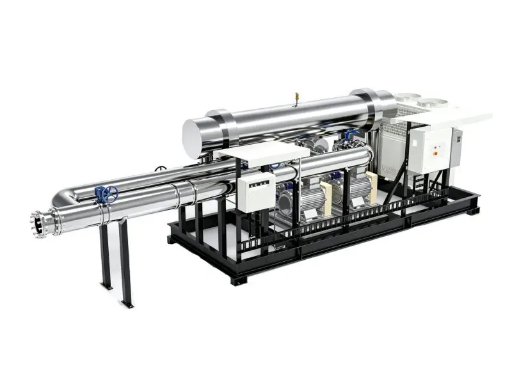
Investing in an industrial gas generator is a major decision for businesses that depend on reliable electricity. While the initial investment may seem significant, a properly selected and managed generator can deliver long-term financial benefits through improved efficiency, reduced downtime, and better energy control.
Organizations that understand how to maximize the return on investment (ROI) from their gas power generators systems can achieve stronger operational performance and greater energy savings. From choosing the right equipment to maintaining it properly, every step plays an important role in improving value.
Understanding the Value of an Industrial Gas Generator
Industrial facilities require continuous power to operate machinery, automation systems, and essential processes. Unexpected power failures can result in production delays, equipment damage, and financial losses.
A reliable generator provides businesses with an independent energy source that supports uninterrupted operations. Modern gas power generators are designed to deliver efficient electricity production while helping companies manage their energy requirements more effectively.
The true value of a generator is not only measured by its purchase price but also by the savings and benefits it provides throughout its operational life.
Choosing the Right Generator Capacity
One of the most important factors in maximizing ROI is selecting the correct generator size. A system that does not match the facility’s energy demand can reduce efficiency and increase unnecessary expenses.
An undersized generator may struggle to handle the required load, while an oversized unit may consume more fuel than necessary.
Businesses should evaluate:
- Current electricity requirements
- Future expansion plans
- Operating hours
- Peak energy demand
- Critical equipment needs
A properly sized system ensures better performance, lower fuel consumption, and improved long-term returns.
Improving Efficiency Through Proper Operation
The way a generator is operated directly affects its financial performance. Running equipment under suitable conditions helps reduce fuel waste and improves overall efficiency.
Modern gas generators include advanced controls that help monitor performance and optimize operation. These systems allow operators to identify issues early and make adjustments that improve energy output.
Efficient operation reduces operating costs and helps businesses achieve greater value from their investment.
Reducing Downtime and Maintenance Costs
Unexpected breakdowns can negatively affect ROI by causing production interruptions and expensive repairs. Regular maintenance is essential for keeping a generator reliable and efficient.
Important maintenance practices include:
- Routine inspections
- Engine servicing
- Fuel system checks
- Component replacements
- Performance monitoring
A well-maintained generator operates more efficiently and has a longer service life, allowing businesses to gain maximum returns.
Applications Where Reliable Power Creates Value
Gas generators are used across many industries where continuous electricity is essential, including:
- Manufacturing plants
- Data centers
- Commercial buildings
- Industrial facilities
- Healthcare centers
- Agricultural operations
- Processing industries
Healthcare facilities are especially dependent on reliable power because medical equipment and essential services must remain active. This is why solutions such as gas generators for hospital applications are considered important for maintaining energy security and protecting critical operations.
Reducing Energy Costs with Smart Power Management
Energy expenses are one of the biggest operational costs for many businesses. A well-planned generator system can help reduce reliance on expensive external power sources.
By producing electricity on-site, organizations gain better control over their energy consumption. Advanced systems can also work alongside other energy technologies to improve efficiency.
Smart power management helps companies use energy resources more effectively and improve overall financial performance.
Selecting a Reliable Generator Provider
The quality of equipment and support services has a direct impact on ROI. Businesses should work with experienced suppliers that provide reliable technology, installation support, and after-sales service.
Important considerations include:
- Generator quality
- Technical expertise
- Availability of spare parts
- Service support
- Warranty options
- Long-term reliability
A trusted provider helps ensure that the generator continues performing efficiently over many years.
The Role of Technology in Improving ROI
Modern generator technology has introduced features that make systems easier to manage and more efficient. Digital monitoring, automated controls, and advanced diagnostics help businesses improve performance.
These technologies allow operators to track fuel usage, detect problems quickly, and maintain optimal operation.
As generator systems become smarter, businesses can achieve better returns from their energy investments.
Planning for Long-Term Energy Success
A generator should be viewed as a long-term business asset rather than a short-term solution. Proper planning, regular maintenance, and efficient operation help organizations maximize the benefits of their investment.
Businesses that take a strategic approach to energy management can reduce risks, improve productivity, and strengthen their competitive position.
Conclusion
Maximizing ROI from an industrial gas generator requires careful planning, proper selection, efficient operation, and regular maintenance. When managed correctly, these systems provide reliable power, reduce operational costs, and support long-term business growth.
With advanced solutions such as biogas generators, organizations can improve energy independence and achieve greater value from their investment.