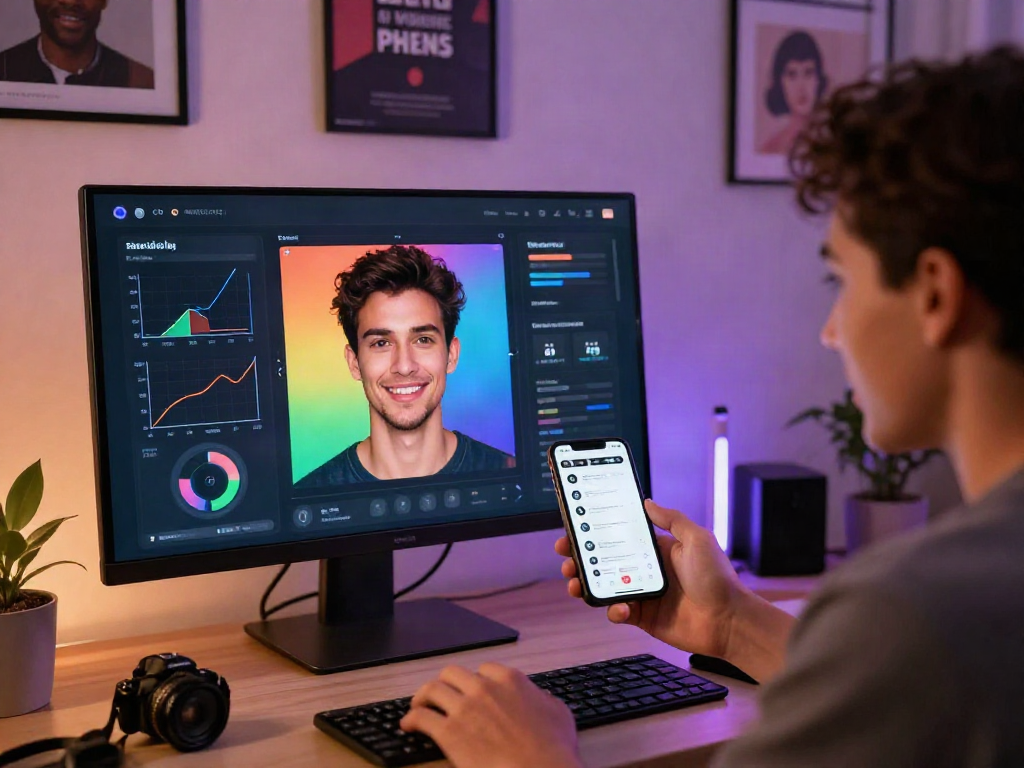
Understanding Facial Age Estimation
Facial age estimation has gained immense popularity in recent years, driven by advancements in artificial intelligence (AI) and machine learning. These technologies allow for more accurate predictions of how old you look, which can be both fascinating and useful. Understanding the underlying principles of facial age estimation can help users appreciate the capabilities and limitations of these tools. For those keen on exploring their perceived age through innovative means, how old do i look represents a valuable resource in this burgeoning field.
What is Facial Age Estimation?
Facial age estimation refers to the process of analyzing facial features to determine an individual's perceived age. This can be achieved using sophisticated algorithms that consider various characteristics, such as skin texture, wrinkles, and overall facial structure. The outcome is an estimation that may differ from a person's chronological age, which is typically defined by the number of years since birth. As technology has evolved, so has the accuracy of these estimations, making them a compelling subject for various applications, including entertainment and personal branding.
How Does AI Analyze Your Age?
AI algorithms employ a combination of deep learning techniques and extensive datasets containing images of faces at different ages. When a photo is uploaded, the AI analyzes key features to estimate age. It can identify telltale signs of aging, such as:
- Skin condition: The prevalence of wrinkles, age spots, and elasticity.
- Facial structure: Changes in bone density and fat distribution over time.
- Expression: Some expressions might contribute to perceived age based on muscle tone.
Through these assessments, the AI calculates a predicted age, often providing users with insights into their facial appearance relative to their actual age.
Common Misconceptions About Age Estimation Tools
While facial age estimation tools are fascinating, there are several misconceptions that can cloud users' understanding. One prevalent myth is that these tools can definitively determine a person's biological age. In reality, they provide estimates based on visual indicators, which can be influenced by myriad factors, including genetics and lifestyle choices. Additionally, many believe that the results are always accurate, but fluctuations can occur due to varying photo quality or lighting conditions.
How to Use Online Age Estimators Effectively
To maximize the benefits of online age estimators, users must understand how to present their images and interpret results effectively. Here are key points to consider:
Choosing the Right Photo for Best Results
The quality of the input photo significantly influences the accuracy of age estimation. For optimal results, choose a high-resolution image in good lighting where your face is clearly visible. Avoid filters that alter your appearance and ensure that the photo captures your face from a straight angle.
Steps to Upload Your Photo Safely
When using online age estimation tools, safety should remain a priority. Follow these guidelines:
- Use Trusted Platforms: Stick to reputable sites with clear privacy policies.
- Limit Personal Information: Avoid sharing unnecessary personal details unless required.
- Review Privacy Settings: Understand how your uploaded images will be used or stored by the service.
Interpreting the Age Estimate Results
Once your photo is analyzed, reading the results requires a balanced perspective. Remember that the estimated age is not a reflection of your physical health or vitality. Instead, consider it a fun insight into how current societal perceptions align with your appearance. Additionally, reviews and testimonials can provide context on the reliability of the specific tool used.
Top Tools for Estimating Your Age
The digital landscape is full of tools designed for facial age estimation. Here, we explore some of the most popular sites and apps, along with their unique features.
Features of Popular Age Estimation Sites
Some notable age estimation tools include:
- FaceAge.ai: Offers a user-friendly interface and promises privacy with secure uploads.
- Fotor: Known for its quick analysis and visually appealing results.
- BeautyPlus: Combines fun with functionality, providing users with playful yet informative age estimates.
Comparing the Accuracy of Different Tools
While each tool claims a level of accuracy, the reliability of age estimates can vary. It is beneficial to experiment with several platforms and compare results. Consistency across different sites can provide a clearer picture of perceived age, while discrepancies may highlight the limitations inherent in such technology.
Real User Reviews and Case Studies
User experiences can illuminate the effectiveness of age estimation apps. Many users report satisfaction with the entertainment value and insights gained, while some caution against taking results too seriously. Case studies highlighting individual experiences can serve as valuable testimonials to the tool's capabilities and limitations.
Impacts of AI on Personal Perception and Self-Image
The intersection of AI technology and self-perception raises important questions about how individuals interpret age estimates. Understanding these impacts can help users navigate their responses to results.
How Perceived Age Influences Social Interactions
Perceived age can markedly influence social dynamics. Individuals who are viewed as younger may experience advantages in various social settings, potentially impacting job opportunities, social interactions, and dating. Conversely, those perceived as older may face different societal expectations. Thus, the implications of age estimation extend beyond mere curiosity.
Understanding Bias in AI Age Detection
AI is not immune to biases, and these biases can affect age estimation accuracy. Factors such as the dataset used to train AI models may lead to skewed results that do not represent the broader population. Awareness of these biases is crucial in interpreting results responsibly.
Strategies for Building a Positive Self-Image
Regardless of the results from these age estimators, fostering a positive self-image is essential. Embrace attributes beyond physical appearance, such as talents and skills. Engage in healthy practices that enhance personal well-being and confidence, reinforcing the notion that age is just a number.
Future Trends in Age Estimation Technology
The future of facial age estimation technology is bright, with emerging innovations continually reshaping the landscape. Staying informed about these trends can provide valuable insights into the direction of this field.
Emerging Developments in AI and Facial Recognition
AI continues to evolve, and new methodologies are being introduced to improve the accuracy of age estimation. Innovations in computer vision and neural networks promise to refine the algorithms currently in use, potentially leading to more personalized and precise predictions.
Predictions for the Future of Age Estimation Tools
As technology advances, we may see tools become more integrated into daily applications, with capabilities that extend beyond just age estimation. Future tools might offer personalized skincare solutions, aging prevention tips, and lifestyle recommendations based on user data.
Ethical Considerations in Using AI for Age Analysis
As the use of age estimation tools rises, ethical considerations become paramount. Questions surrounding consent, data privacy, and potential misuse of technology need to be addressed to ensure responsible use.
What is the Privacy Impact of Uploading Images?
Users must remain vigilant about privacy when uploading images for age estimation. Understanding the risks associated with data storage and potential breaches is essential to protect personal information from unauthorized access.
How Reliable are AI Predictions for Age?
While AI predictions are becoming increasingly reliable, it’s important to approach them with caution. Recognizing the variability in results and the influence of external factors can help individuals form a healthy perspective on the insights gained from these tools.